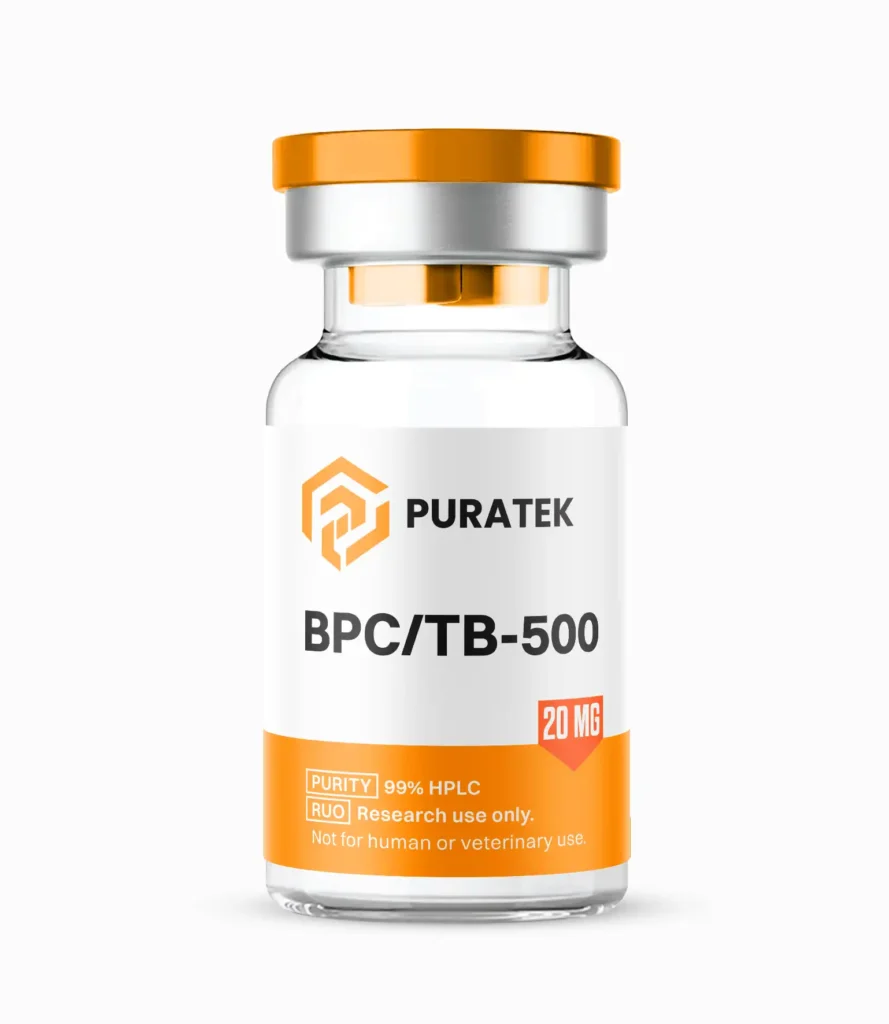
BPC-157 Mechanisms of Action Promotion of Accelerated Healing: BPC-157 has been shown to accelerate the healing process by stimulating the production of growth factors and promoting the formation of new blood vessels (angiogenesis) at the site of injury or damage [1]
Esta sustancia tambin puede combinarse con una dieta destinada a controlar el peso.
But before we get to that, I would love to get your backstory and how you got into the work that you're doing today
Throw it away and apply a patch at your next scheduled time
How does GLP-1 Up compare

Insulin resistance impairs insulins ability to suppress adipose tissue lipolysis Increased release of free fatty acids (FFAs) into circulation The liver accumulates fat due to: Excess FFA influx from adipose tissue Increased de novo lipogenesis (SREBP-1c, ChREBP activation) Reduced fatty acid oxidation and impaired autophagy Accumulation of FFAs and lipotoxic intermediates leads to: Mitochondrial dysfunction Oxidative stress (ROS generation) Activation of inflammatory pathways (JNK, NF-B) promotes: Cytokine release (TNF-, IL-6, TGF-) Hepatocyte injury and progression toward NASH Persistent inflammation activates hepatic stellate cells, resulting in: Fibrosis and progressive liver damage Clinical nutrition intervention directly targets key pathological drivers of fatty liver disease: Improving insulin sensitivity through structured medical nutrition therapy Reducing hepatic FFA load by modulating macronutrient quality and timing Limiting de novo lipogenesis via controlled carbohydrate quality and energy balance Supporting mitochondrial function and reducing oxidative stress Addressing gut-liver axis contributors such as endotoxemia Early, individualized dietary intervention can halt or reverse disease progression before irreversible liver damage occurs